What Private Jet Hire Actually Costs (An Honest Breakdown)
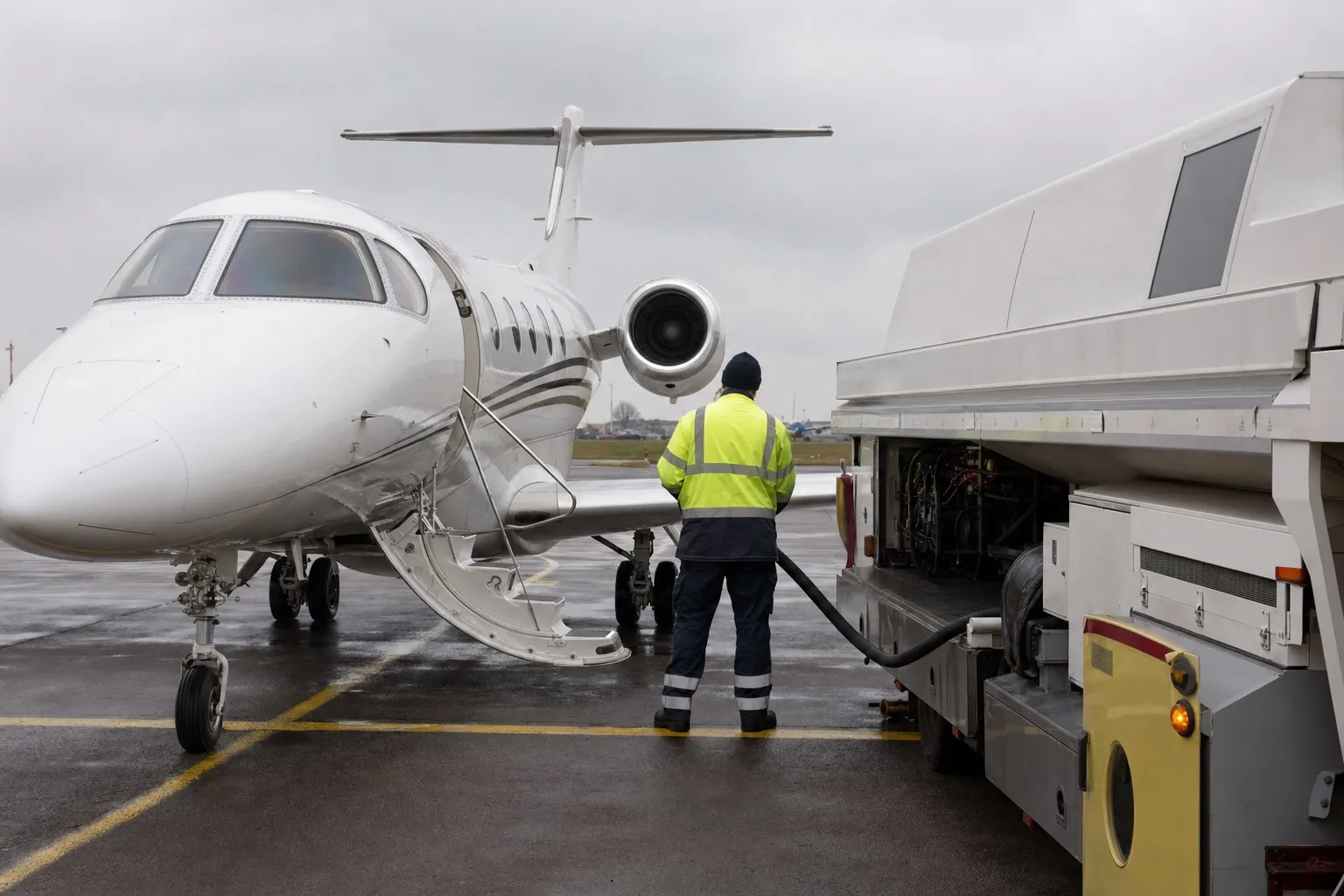
Ask five brokers what a jet costs and you’ll get five different answers, all technically true and all slightly useless. The headline figure — “from £4,000!” — is a bit like a budget airline advertising a £9.99 fare. Yes, that price exists. No, you probably won’t pay it.
So here’s what the numbers actually look like, based on real quotes we’ve handled over the past year.
The honest baseline
For a one-way hop from London to somewhere two hours away — Nice, say, or Geneva — you’re looking at roughly:
- Turboprop (King Air, PC-12): £4,500–£7,000
- Very light jet (Citation Mustang, Phenom 100): £5,500–£8,500
- Light jet (Citation CJ2/CJ3): £7,000–£11,000
- Midsize (Learjet 60, Hawker 800): £11,000–£16,000
- Heavy (Legacy 650, Gulfstream G450): £20,000 and up, sometimes a long way up
That’s the whole aircraft, not per seat. Split a light jet six ways and it’s suddenly not insane money compared to six last-minute business class tickets.
Where the quote grows
Here’s the part the glossy Instagram posts skip. A charter quote is really an estimate with several moving parts stacked on top:
Positioning. If the aircraft isn’t already where you are, someone has to fly it there empty, and you pay for that. An aircraft based at Biggin Hill flying you from Biggin Hill is cheap. The same aircraft collecting you from Newquay is not.
Airport fees. Landing and handling at a quiet regional field might be £300. At Nice in July, with mandatory handling and slot fees, it can be north of £2,000. Le Bourget sits somewhere in between, depending on the FBO.
De-icing. The winter lottery. Nobody can tell you in advance whether you’ll need it, and a proper de-ice on a midsize jet can add £1,500–£3,000. If you’re flying to the Alps between December and March, mentally budget for it and be pleasantly surprised if it doesn’t happen.
Catering. Standard light refreshments are usually included. The moment someone says the words “sushi platter,” you’re into extras. A decent hot meal service for six runs £300–£600.
Waiting time and overnights. If the crew waits for you all day, or stays overnight for a return leg the next morning, you’re covering crew hotels and duty time. Usually £800–£1,500 per night for a light jet crew.
The question that actually matters
Rather than asking “how much is a jet,” ask “what does my specific trip cost, all-in, on three different aircraft?” Any broker worth talking to will give you that in writing within a couple of hours, with the assumptions spelled out.
If a quote looks suspiciously cheap, it’s usually missing something — often positioning, sometimes VAT (20% on domestic UK flights, zero-rated on most international ones, which trips people up in both directions).
Ways to genuinely pay less
A few things that actually work, as opposed to internet folklore:
Be flexible on the aircraft. If you’ll take “any light jet” rather than “a Phenom 300 specifically,” the broker can shop the whole market, including aircraft that happen to be nearby already.
Fly on the aircraft’s schedule. Empty legs are real, and real bargains — we’ve written a whole separate piece on those because they deserve one.
Avoid peak Fridays. A Friday afternoon departure to Nice in July competes with every other Friday afternoon departure to Nice in July. Thursday morning is the same flight with less demand.
Consider a turboprop for short hops. On anything under 90 minutes, a King Air 200 gets you there maybe 15 minutes later than a jet for roughly half the money. Most passengers, honestly, can’t tell the difference once they’re inside.
The bottom line
For a group of four to six flying UK to Europe, a realistic all-in budget is £6,000–£12,000 each way on the smaller end of the fleet. Less if you catch an empty leg, more in August, more still if Champagne and short notice are involved.
It’s not cheap. It was never going to be cheap. But it’s also usually less mysterious than the industry makes it look — the numbers are knowable, you just have to ask for all of them at once.